TAT-Rakshak
"Where we know engineers can’t stop disasters, but we can reduce their impact through knowledge, research, and sustainable innovation.”
View Details ➔
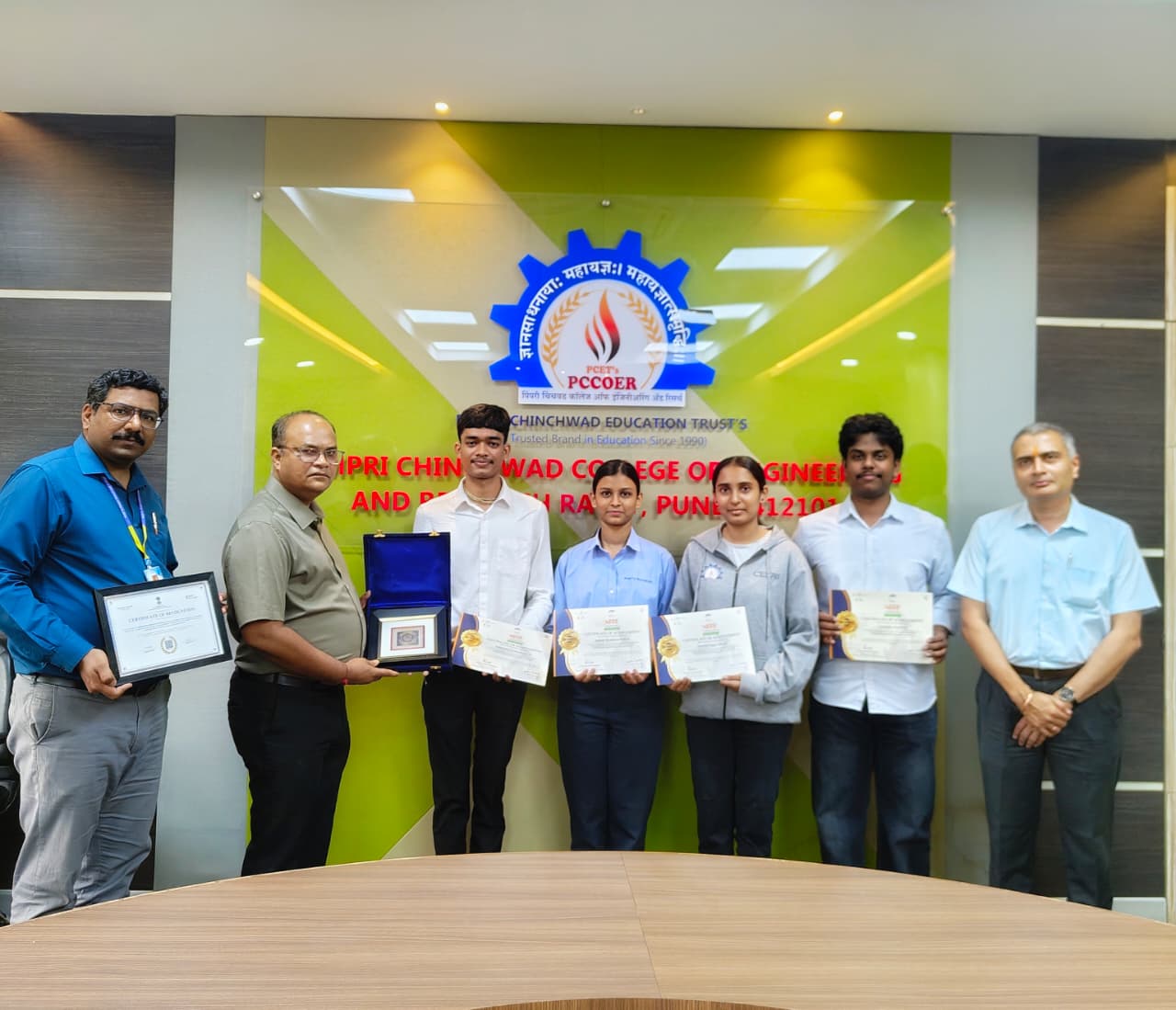
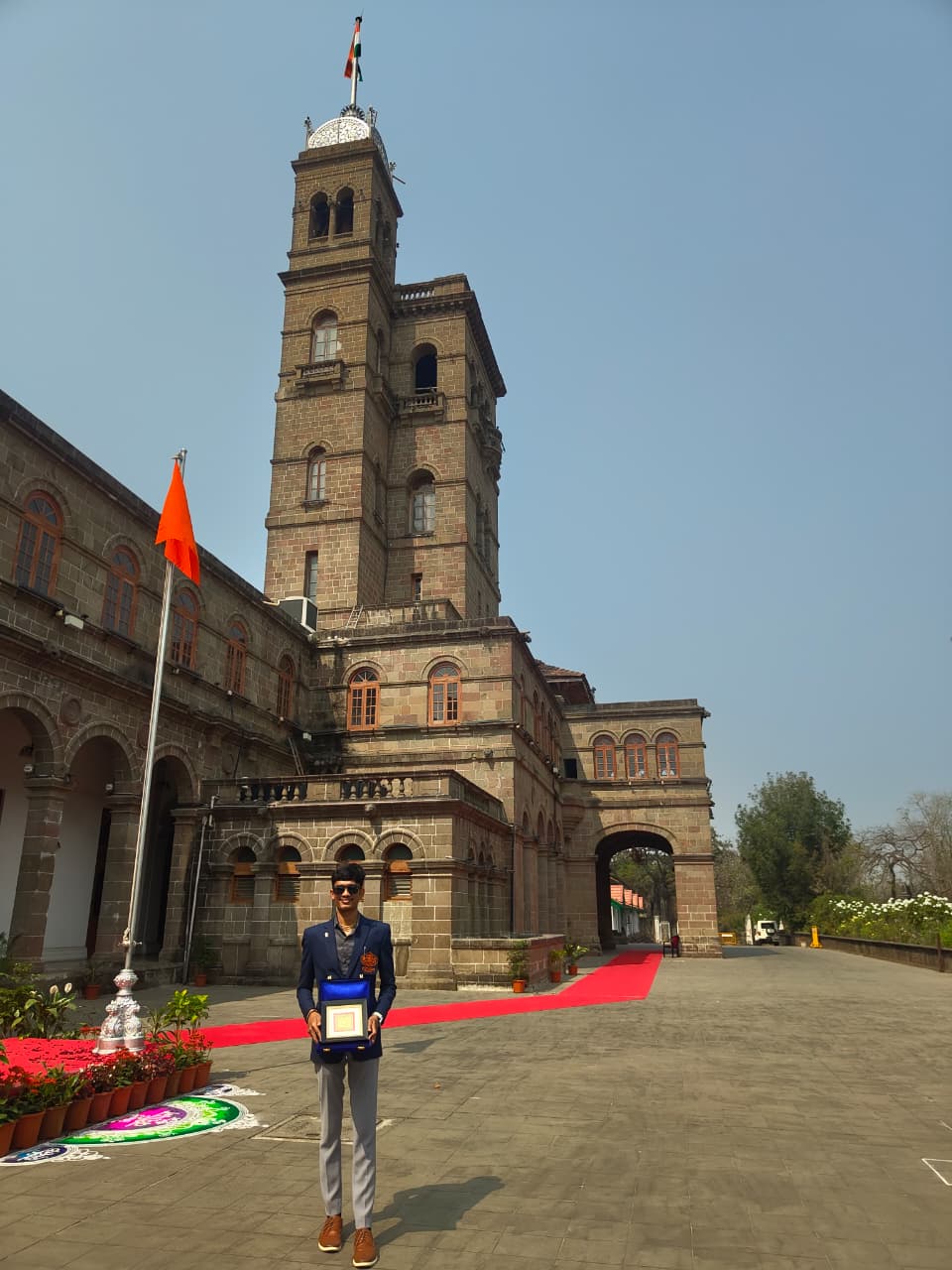
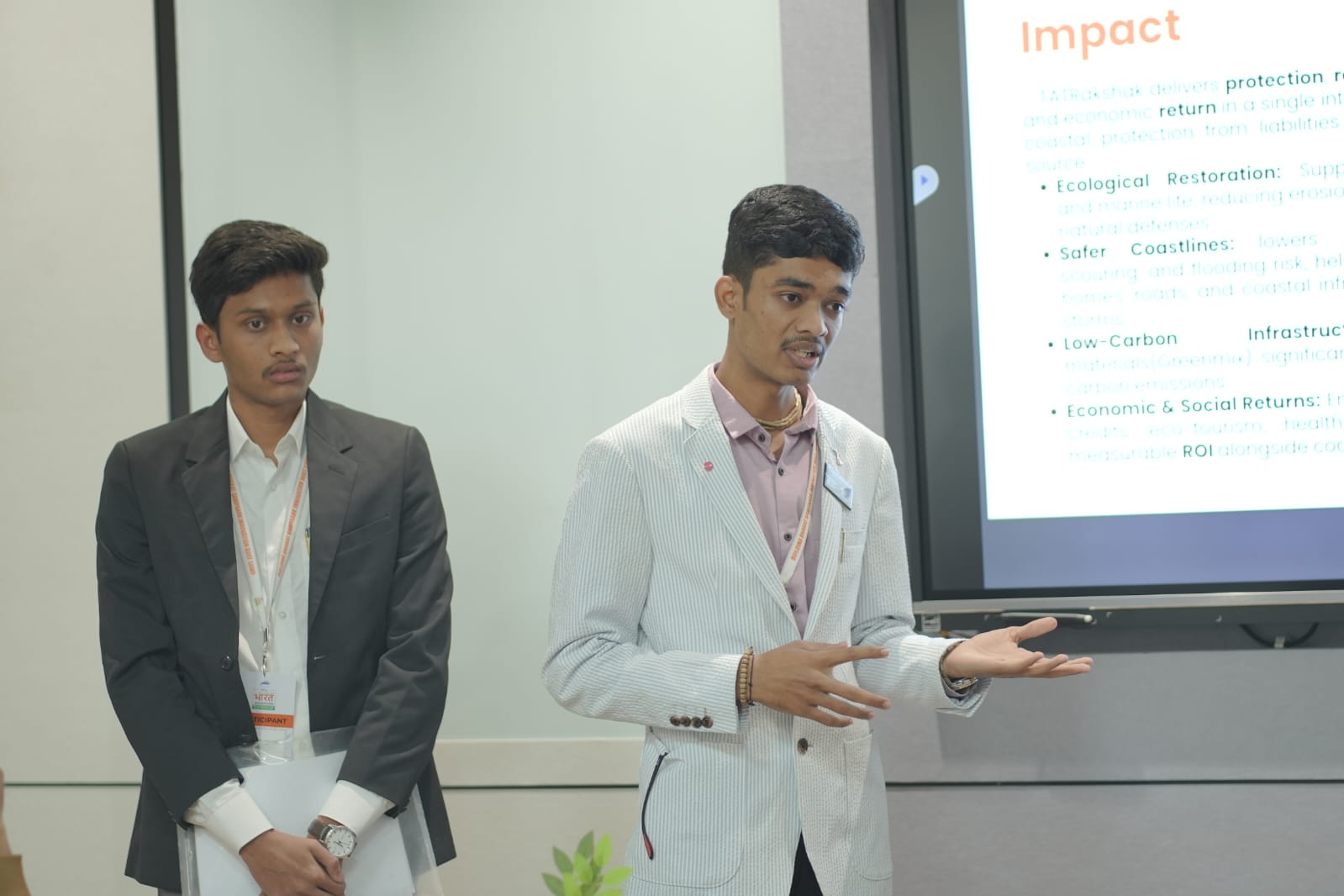
TATrakshak secured All India Rank 1 in Innovation in Resilient Infrastructure at the Building Bharat Sampark Innovation Boot Camp (Civil Engineering) initiated by the Central Government of India with the collaboration of JSW held at IIT Kanpur (3rd–5th February 2026).
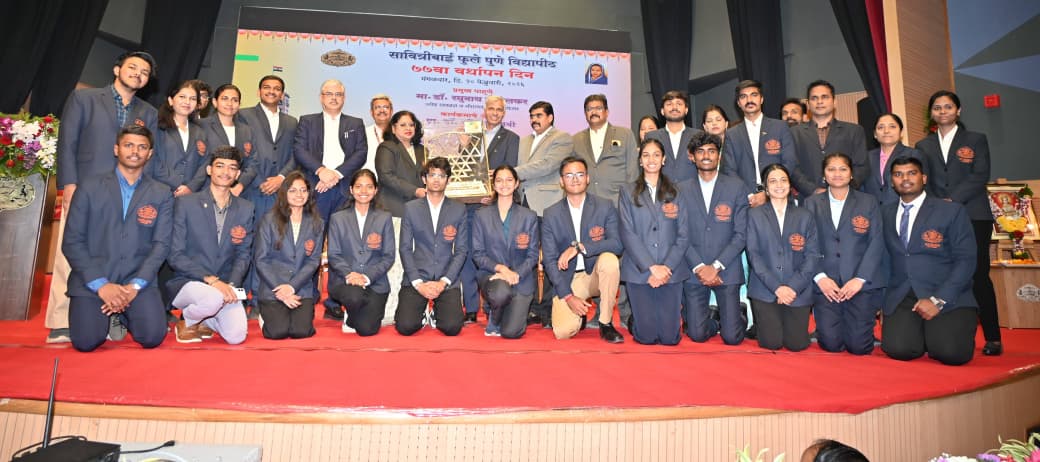
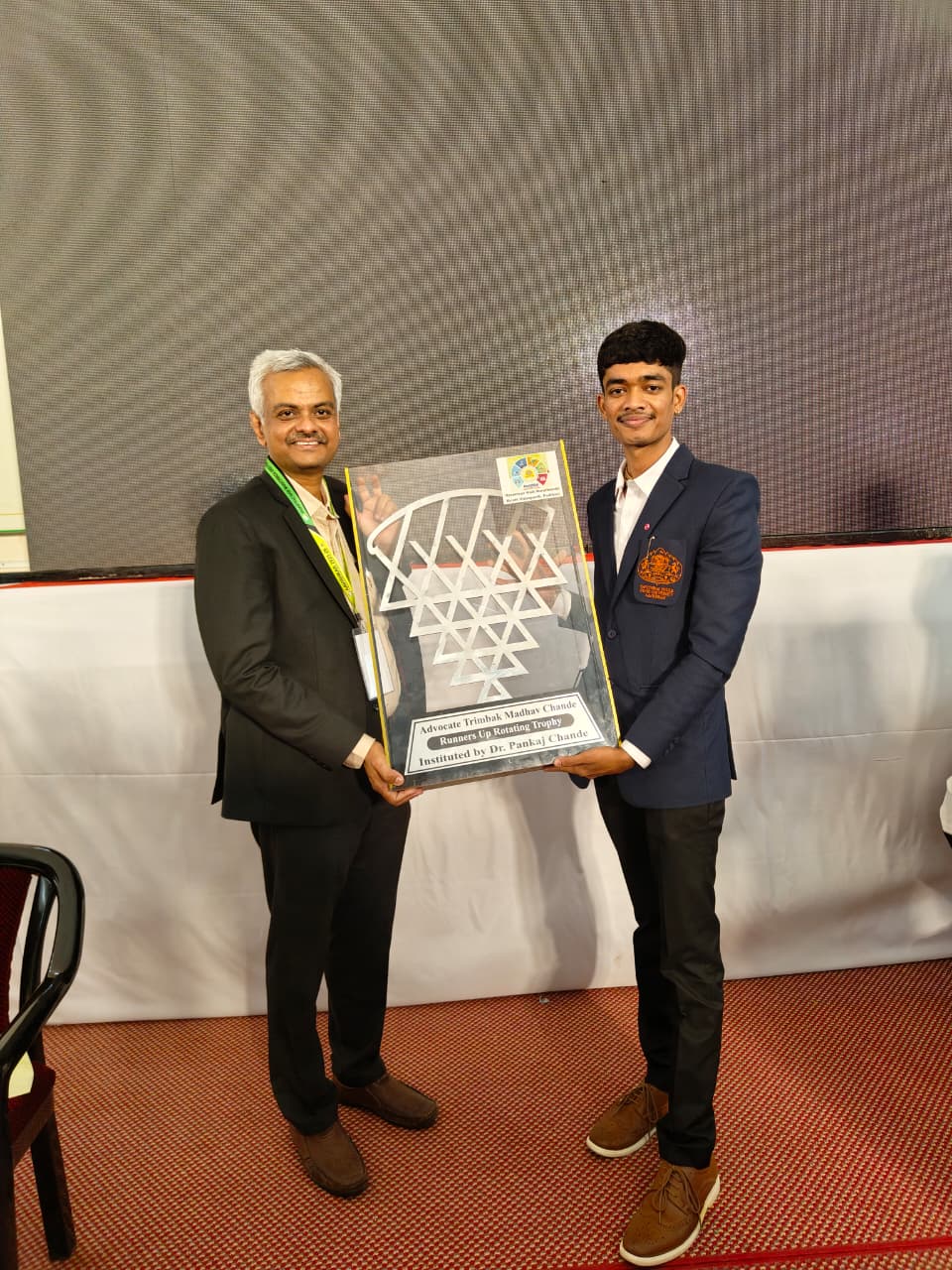
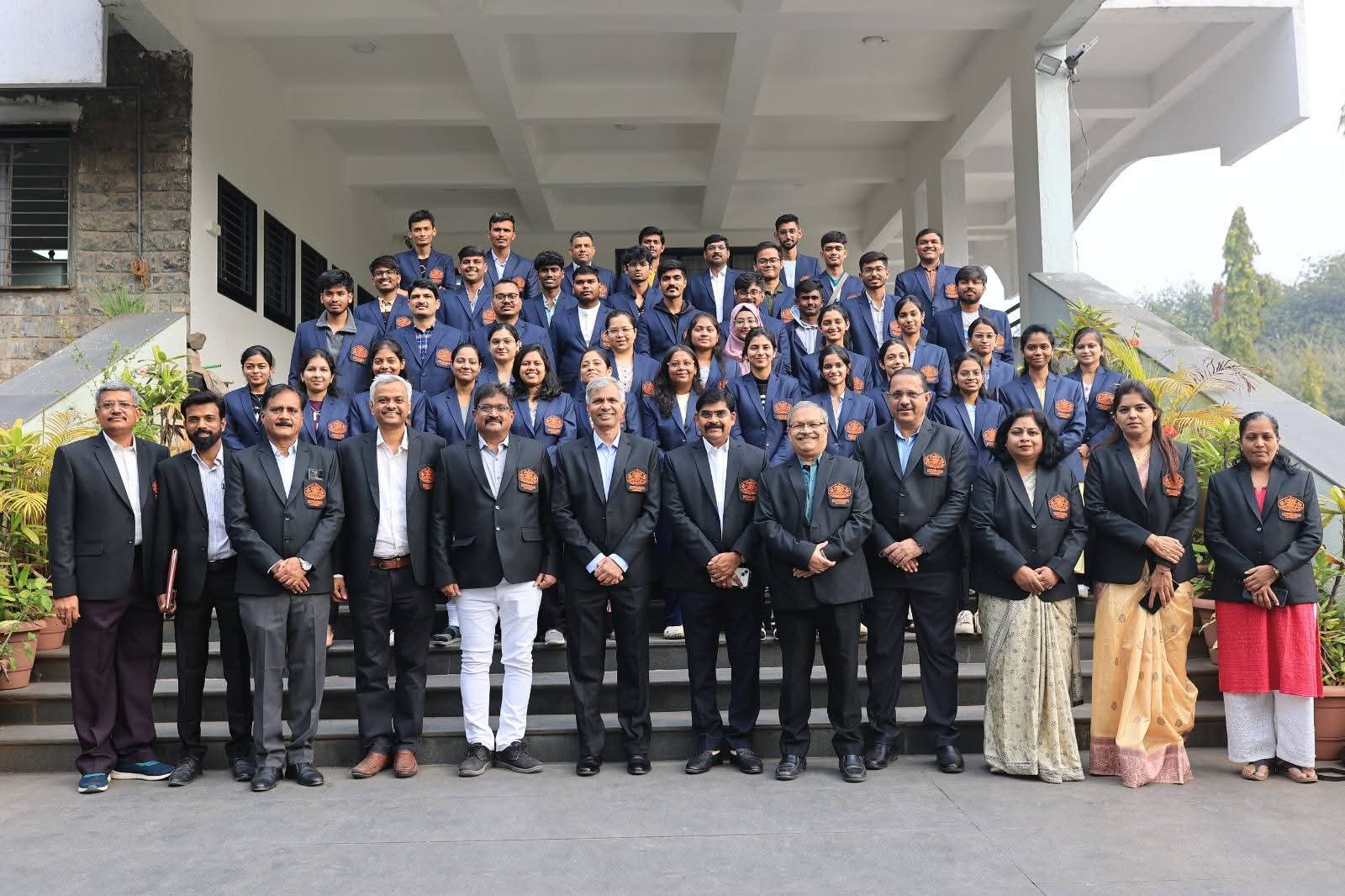
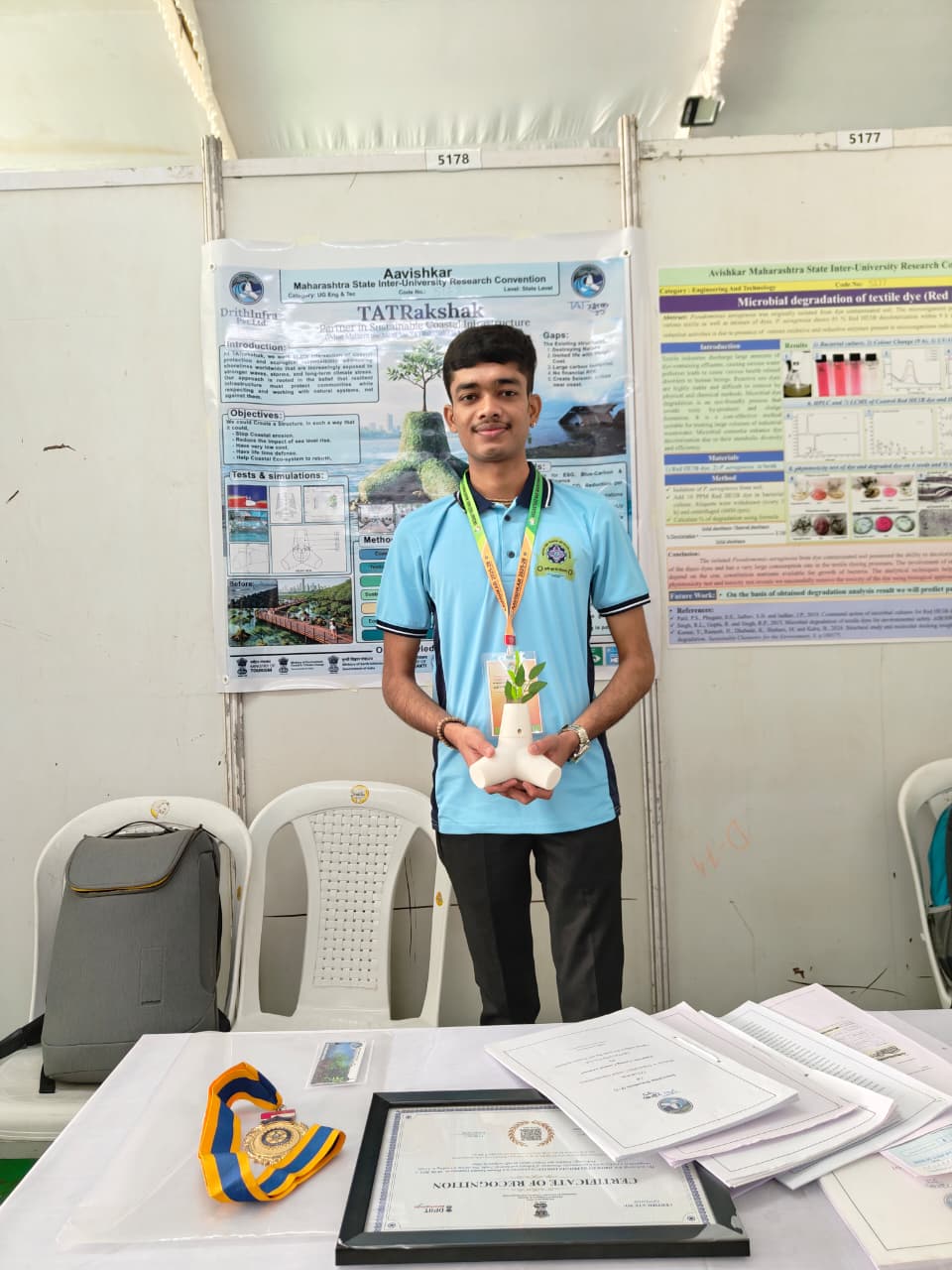
Represented Savitribai Phule Pune University at the 18th Maharashtra State Inter-University Research Convention – Aavishkar 2025-26, hosted at Vasantrao Naik Marathwada Krishi Vidyapeeth, Parbhani.
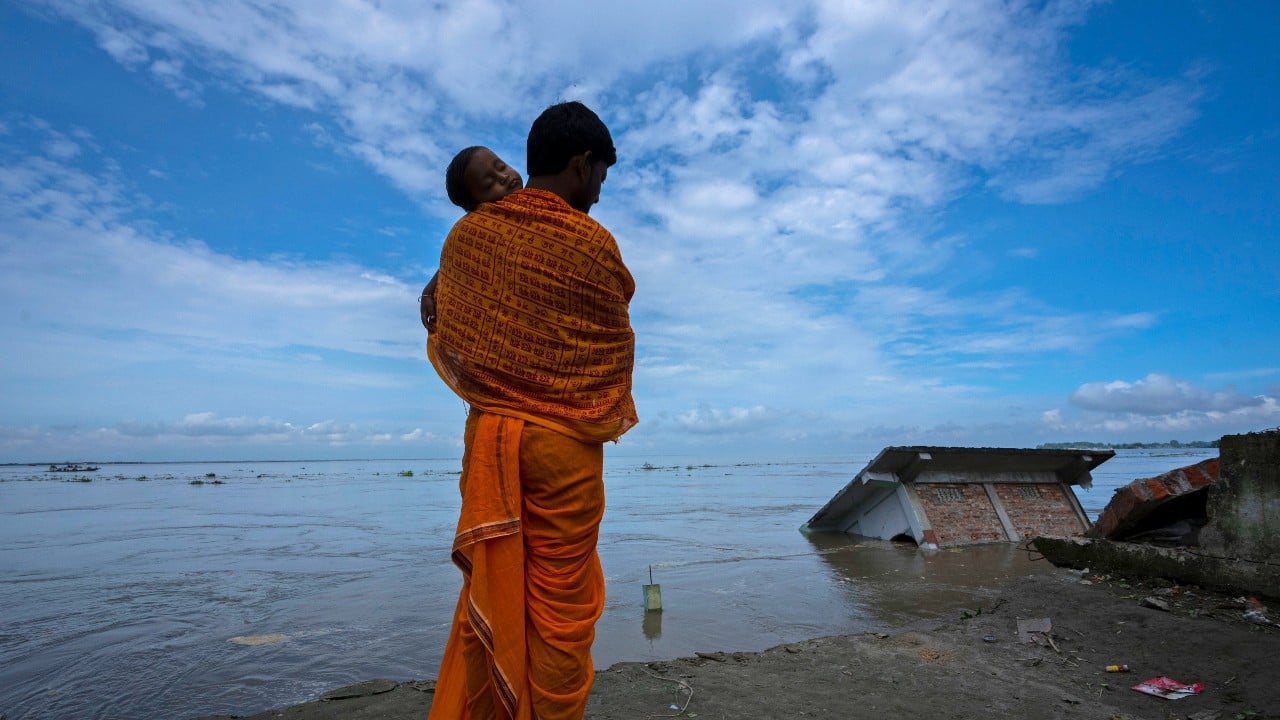
TAT Rakshak is a nature-aligned coastal protection system designed to reduce erosion, absorb wave energy, and regenerate coastal ecosystems over time. It rethinks conventional coastal defence by combining engineering strength, ecological intelligence, and lifecycle sustainability into a single deployable system.
United by a Vision for Sustainable Growth

Psychological Consultant
"When minds follow nature's rhythm, clarity grows and teams move with purpose."
Know Me
CFO
"We don't just evaluate ROI — we evaluate responsibility, resilience, and relevance."
Know Me
CTO
"Natural patterns reveal engineering solutions that strengthen structures and regenerate coastlines."
Know Me






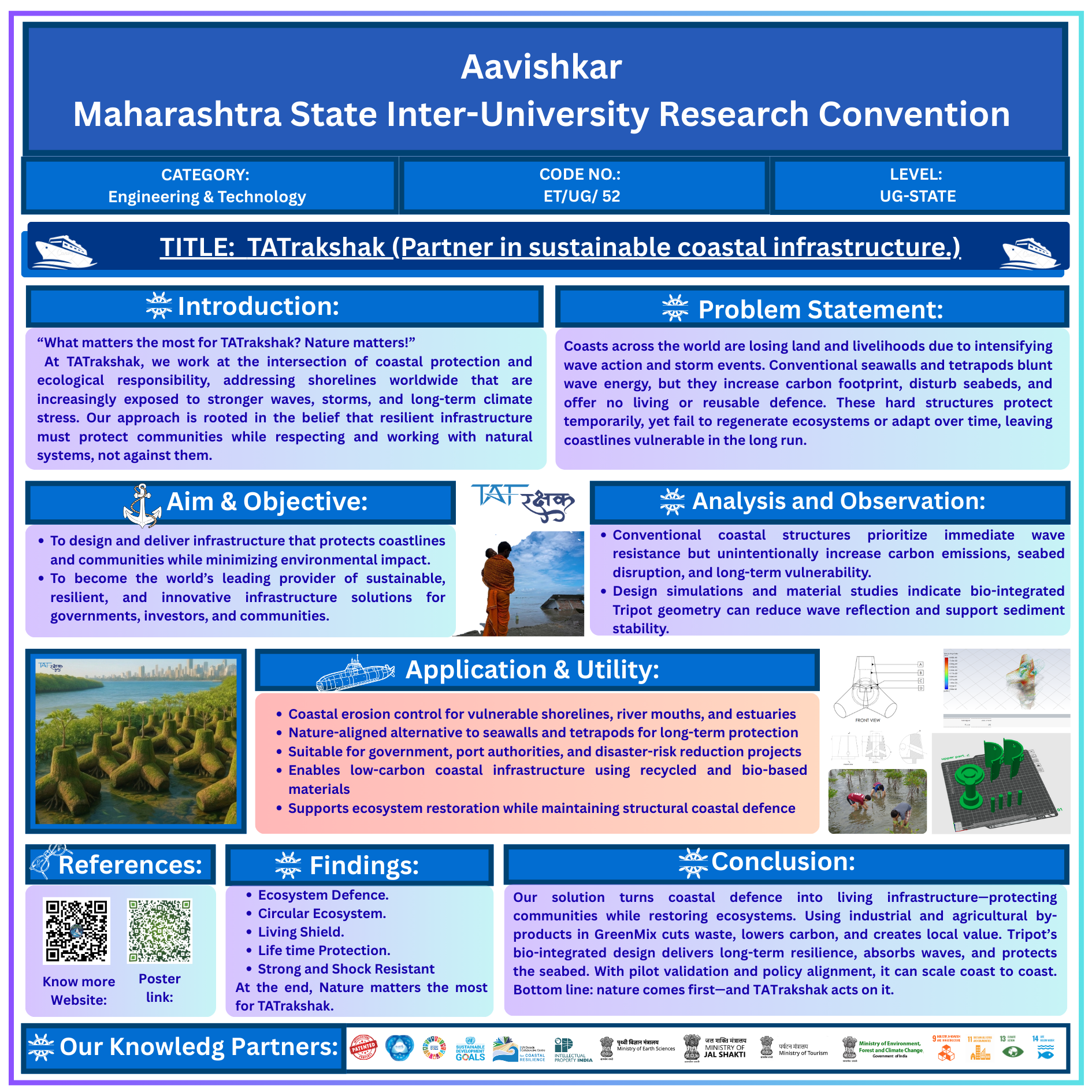
This project is supported by a detailed technical poster that explains the design intent, engineering rationale, implementation strategy, and projected environmental impact.
⬇ Download PDF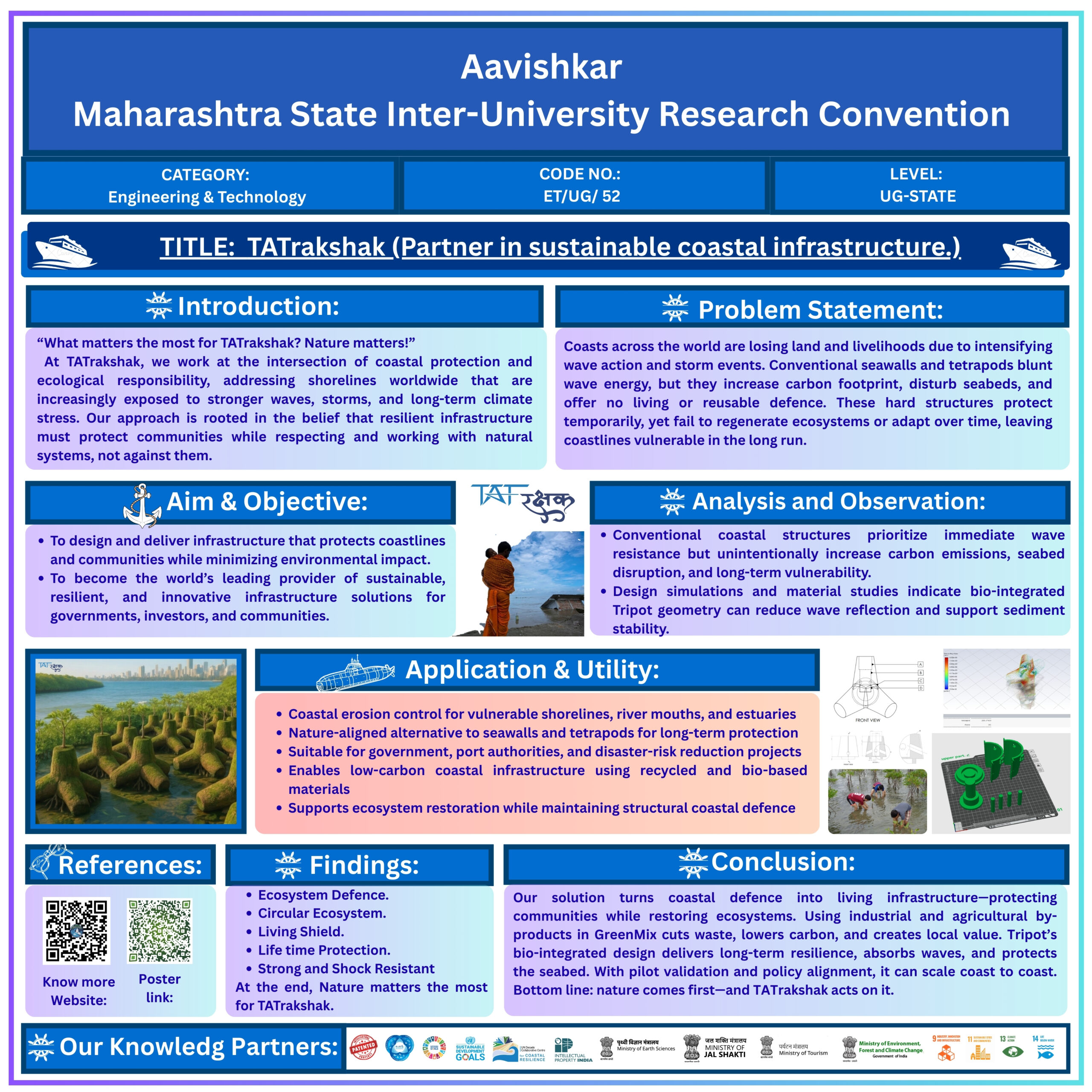


Coastal & Natural Configurations Tested
What it demonstrates
This KPI reflects the scientific depth behind the solution. Rather than relying on a single design assumption, TATrakshak has benchmarked performance across more than sixteen structural, natural, and hybrid coastal configurations under identical hydraulic conditions.
Why it matters for B2B & B2G
• Builds confidence that the solution is evidence-driven
• Ensures fair comparison against conventional systems
• Aligns with CWPRS, MoES, and international best-practice validation norms
What decision-makers see
A system chosen by data, not by design bias.

Tons CO₂ Reduction per km per Year
~800–1,200 Tons CO₂ Reduction per km per Year
Each kilometer of deployment functions as climate-positive coastal infrastructure by integrating mangrove-driven blue-carbon sequestration, long-term sediment carbon storage, and low-emission material systems. This approach transforms shoreline protection into a measurable climate asset, delivering verifiable environmental performance alongside durable coastal resilience.
• Direct contribution to national NDCs, net-zero goals, and ESG commitments
• Eligibility for climate finance, carbon programs, and sustainability-linked funding
• Conversion of environmental impact into measurable, reportable carbon value
• Support for long-term coastal resilience and adaptation planning

Mangrove Survival Rate (Field-Validated)
High Mangrove Survival in Dynamic Tidal Zones
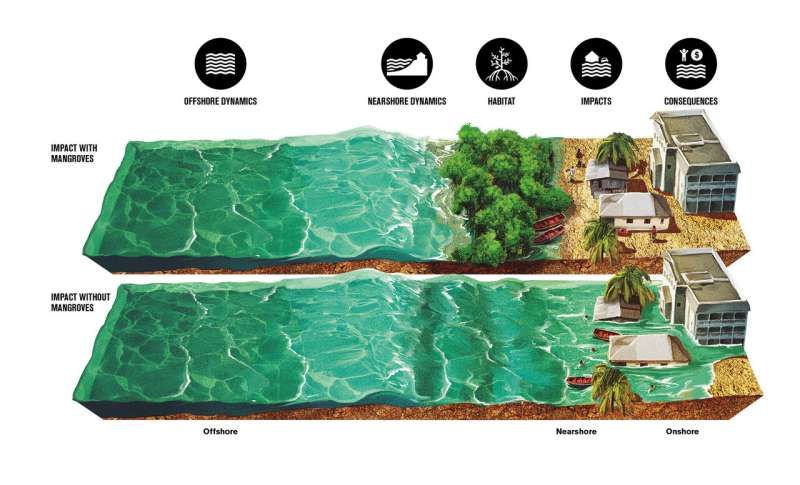
The integration of biological design elements enables consistently high survival of mangrove saplings even under dynamic tidal and wave conditions, significantly outperforming conventional plantation approaches.
• Enables scalable nature-based solutions aligned with national missions such as MISHTI and the Blue Economy
• Delivers long-term coastal protection without recurring structural or maintenance costs
• Creates living assets that continue to generate value through carbon capture, fisheries support, and ecosystem services
• Ecological performance reduces long-term project and investment risk
